Patient Portal Healthcare Platform for Connected Care
Empower patients and streamline communication with customizable, HIPAA-compliant patient portal software built using DrapCode’s no-code development platform.
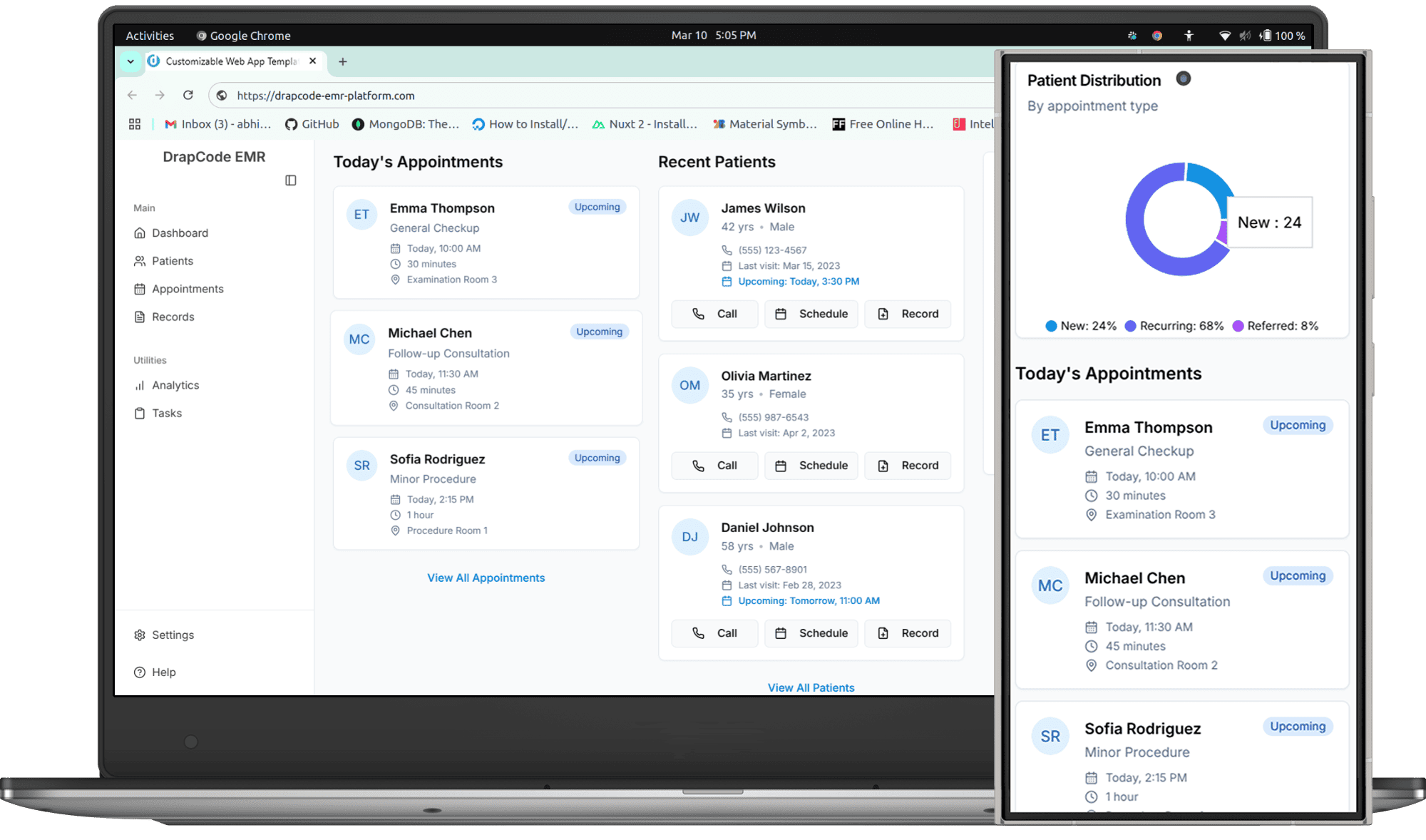
Digital Patient Engagement & Secure Health Access
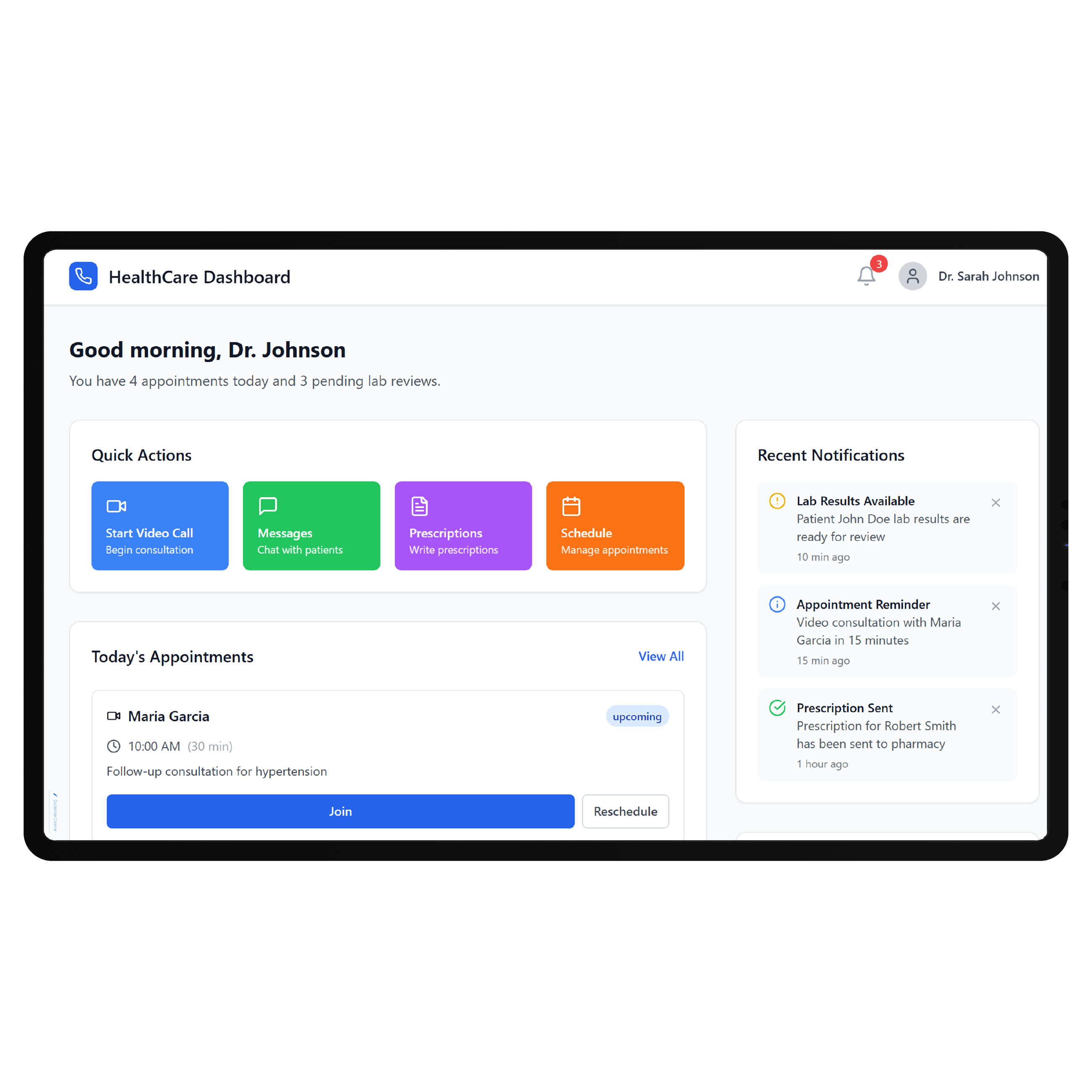
A patient portal healthcare platform enables patients to securely access clinical records, appointments, messaging, and care workflows from any device while maintaining alignment with provider systems. Effective patient portals drive engagement, reduce administrative friction, and bridge care delivery with secure clinical access needs. By integrating with core clinical record systems and interoperability services, portals become extensions of longitudinal medical histories.
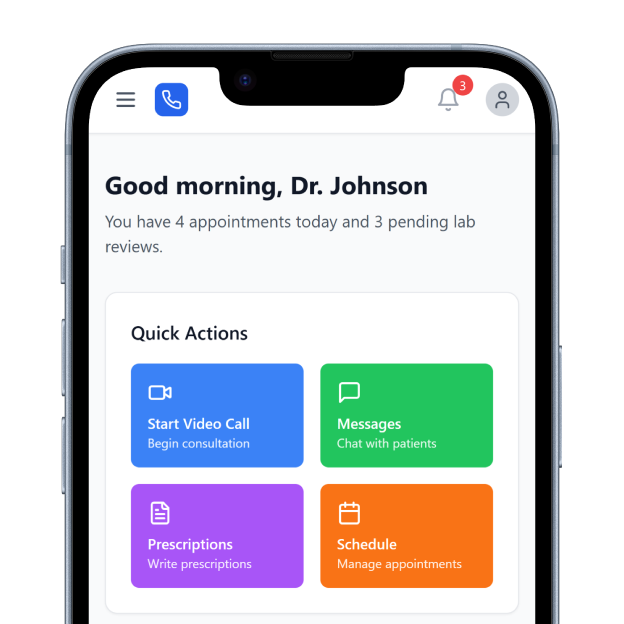
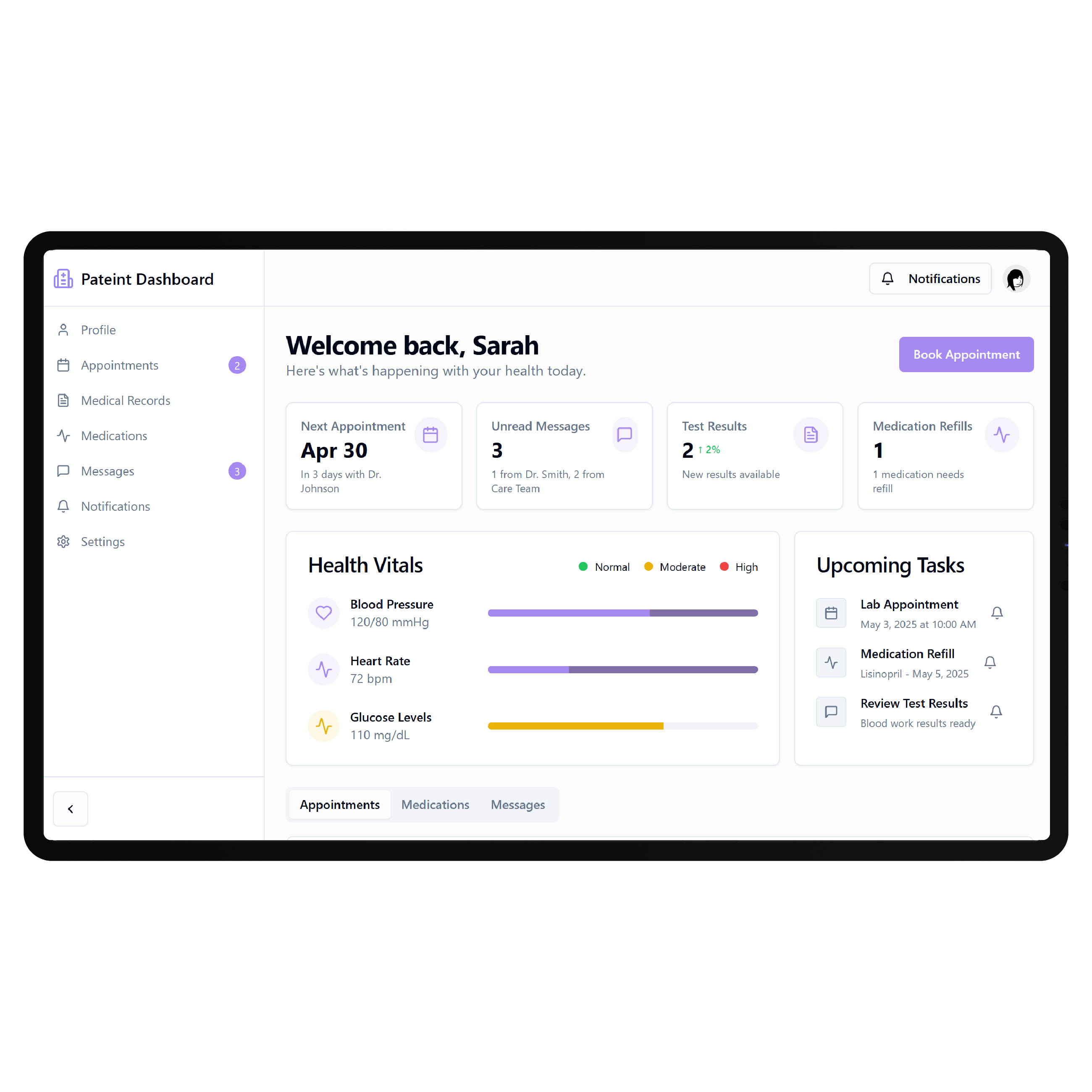
Secure Patient Access and Continuity
Patient portals centralize personal health records, clinical encounter summaries, test results, and care instructions, all protected by secure authentication. This enables patients, caregivers, and care teams to collaborate while preserving privacy and compliance with industry standards. Portals connect patients directly to structured data stored in larger clinical systems, reinforcing continuity of care beyond face-to-face encounters.
Key Features of Patient Portals
Essential capabilities that enable secure access, engagement, and interoperability for patient-facing healthcare platforms.
Secure Login
Strong authentication for patients and caregivers ensures protected access to health information.
Record Views
Patients can view clinical histories, test results, and encounter summaries at any time.
Appointment Sync
Integrated scheduling updates keep patient calendars aligned with clinical calendars.
Secure Messaging
Encrypted communications connect patients with clinicians and support staff securely.

Care Alerts
Automated notifications and reminders for care plan activities and upcoming visits.
Third-Party APIs
Interoperate with external systems via standards-based APIs for a unified experience.

DrapCode is an easy-to-use no-code platform with a drag-and-drop interface, making it accessible for non-developers. The support team is highly responsive and dedicated to user success.
Joseph Young
President - Renew Hope And Healing



We partnered with DrapCode to develop our new Automated CRM using their low-code platform. Outstanding quality at half the price, unmatched speed, and excellent customer service.
Cal Goggans
Founder - A Custom Fit iNMotion


DrapCode stands out as the best. Flexible, scalable, and supported by an expert team. After 3 years on another tool, DrapCode is simply superior.
Cory Nation
President - Embark EMR
Benefits of Patient Portals
Higher Engagement
Empower patients with access and interaction tools that increase clinical engagement rates.

Improved Adherence
Timely alerts and accessible records help patients consistently follow care recommendations.

Reduced Burden
Self-serve tools significantly reduce administrative calls and manual scheduling overhead.
Stronger Trust
Secure access and communication build confidence and transparency between patients and providers.
Use Cases for DrapCode’s Patient Portals
Mental Health Clinics
Integrate with mental health therapist software such as AdvancedMD EHR to provide clients with private access to session notes, secure communication, and upcoming appointments.
Pediatric Patient Engagement
Allow parents or guardians to manage a child’s immunization records and appointments using platforms like Carepatron EHR .
Rehabilitation & Speech Therapy
Support patients recovering from injury or undergoing speech therapy with remote access to care plans via EHRYourWay .
Workflow and Delivery
 Authenticate patients and caregivers securely with role-based controls
- Present structured record views from integrated clinical systems
- Enable encrypted messaging and care notifications within workflows
- Synchronize appointments and reminders with clinical calendars
Portal Layout
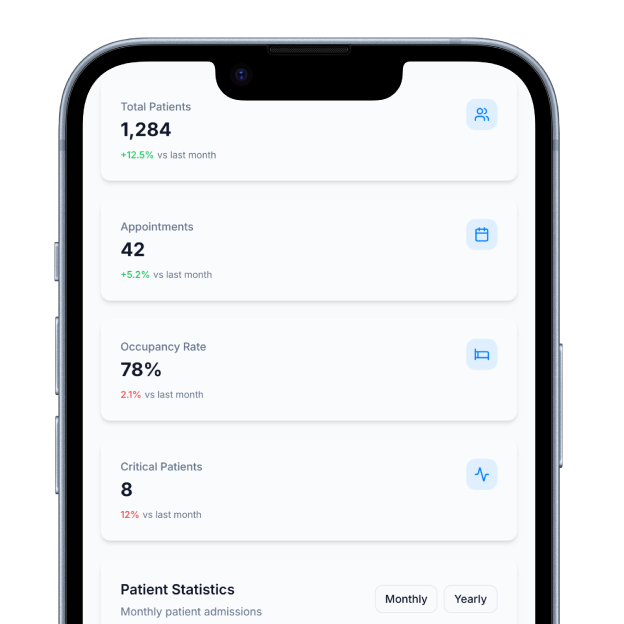
Choose a healthcare portal layout or start from scratch using DrapCode’s visual builder.
Feature Setup
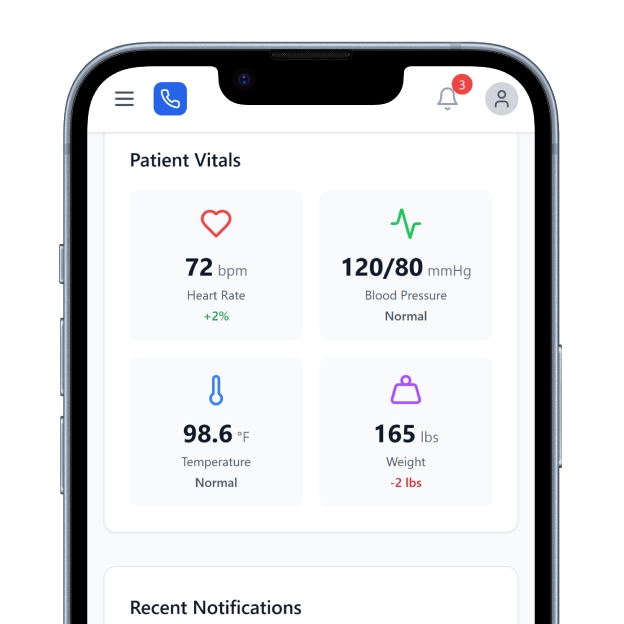
Add core features like patient login, messaging, appointment scheduling, and billing modules.
Tool Integration
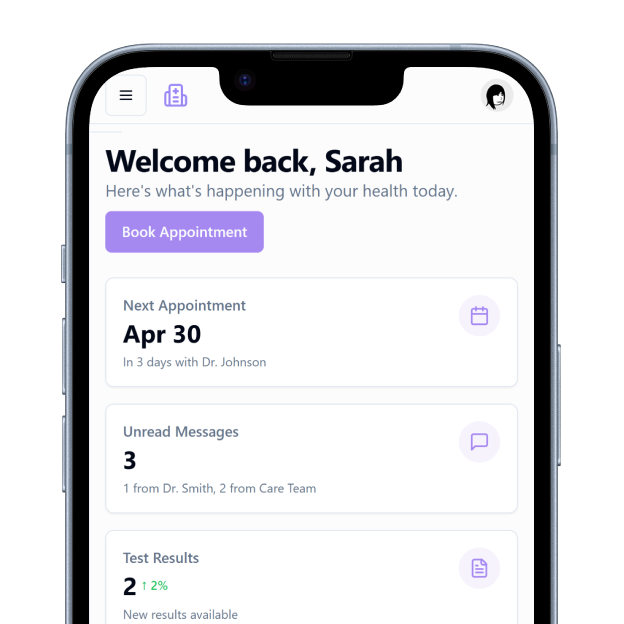
Integrate DrapCode with Practice Management EMR, calendars, and secure payment tools.
Portal Launch
Test access flows, assign permissions, and launch your HIPAA-compliant portal instantly.
Integrated Clinical Interactions
Patient engagement workflows work hand in hand with electronic medical records, telemedicine platforms, and digital appointments. Real-time updates, secure messaging, and care plan notifications ensure patient interactions align with provider operations, reducing no-shows and improving care adherence. Portals can integrate seamlessly with telemedicine platforms for connected clinical care, enabling patients to initiate, join, and manage virtual care interactions without friction.
Compliance & Role-Based Security
Ensuring privacy and security is critical for patient access systems. Role-based access control, encrypted data handling, and audit logging protect patient information while preserving appropriate clinical and administrative access across care teams. Integration with broader governance models aligns portal access with EMR platforms and compliance controls.
Connected Healthcare Ecosystem
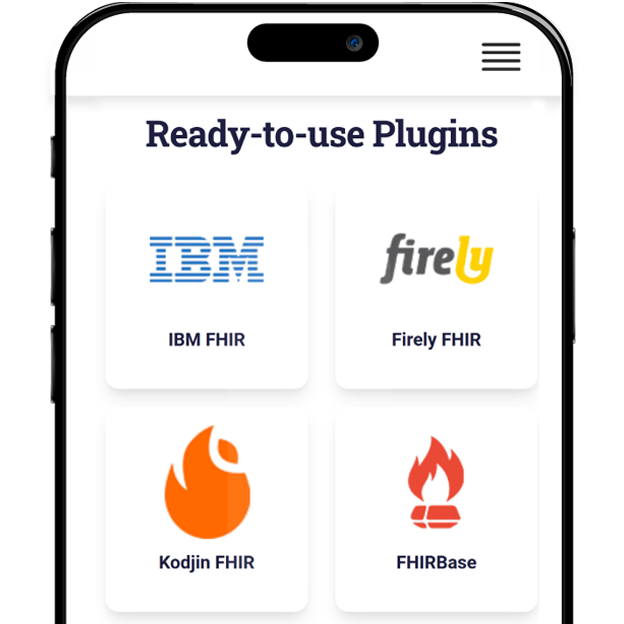
Patient portals do not operate in isolation; they are part of a broader healthcare software ecosystem. By connecting with clinical data sources, telemedicine solutions, EMR platforms, and interoperability frameworks, portals become central access points for digital health engagement. This platform also connects with secure interoperability services for healthcare recordsenabling standards-based data movement across healthcare systems.
Frequently Asked Questions
What is a patient portal platform?
Can portals connect with telemedicine systems?
How does data privacy work in portals?
Are patient portals compliant with healthcare standards?
Who should use a patient portal platform?
Get started with a patient portal healthcare platform
Enable secure, integrated access to health records, care messaging, appointments, and workflows without traditional development complexity.