Build Custom Electronic Health Record Platforms
Build secure, no-code electronic health record (EHR) platforms tailored to your clinical workflows and compliance needs using DrapCode’s visual development tools.
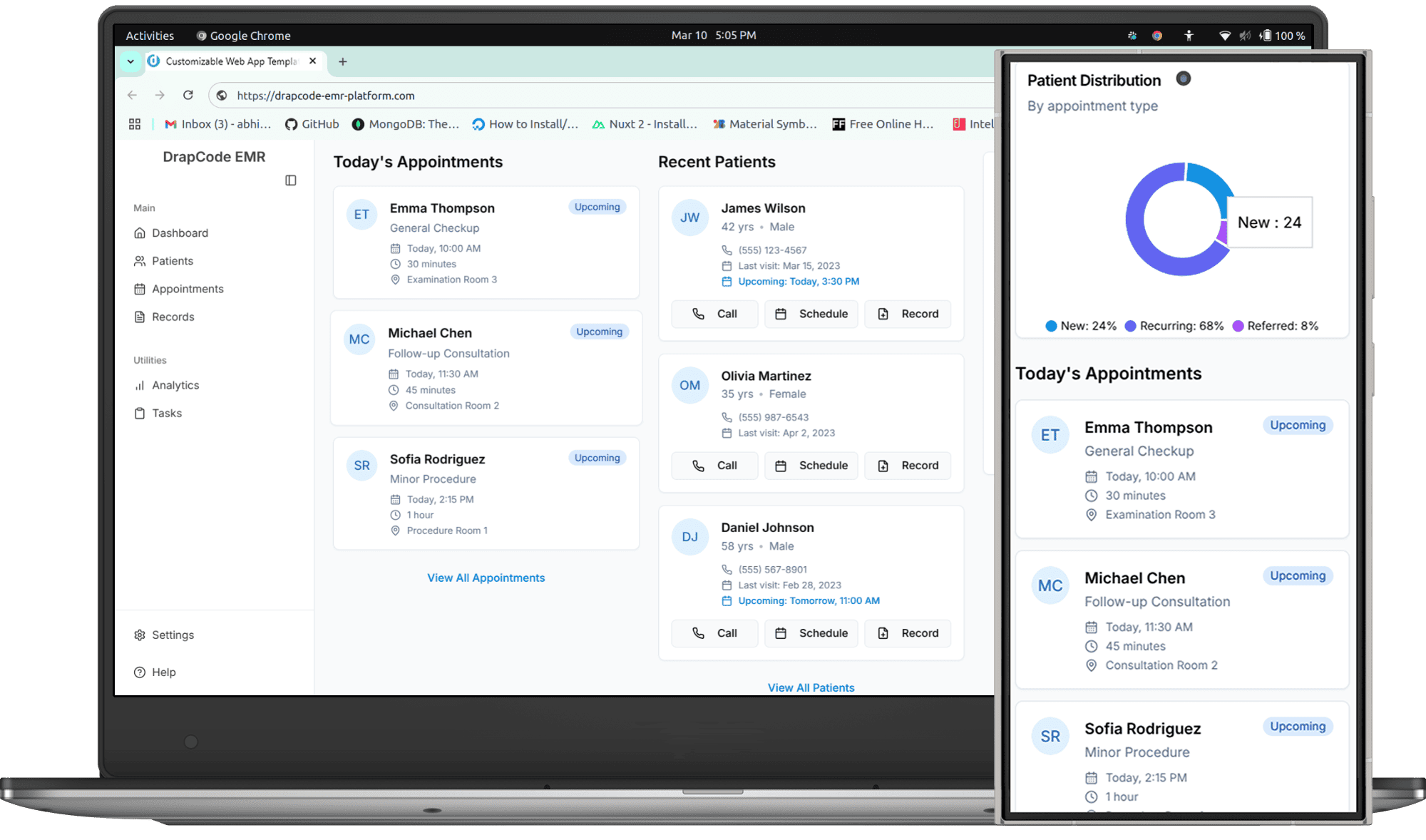
Integrated Clinical Record Systems
Electronic health record platforms unify clinical data across encounters, diagnostics, and operational workflows, aligning care delivery with secure management of patient information. These platforms bridge front-end care delivery and back-end interoperability components to support coordinated clinical operations within healthcare environments. As part of DrapCode’s healthcare ecosystem, this solution offers comprehensive clinical data structures and extensible application logic that aligns with long-term healthcare delivery objectives.
Structured Data Core
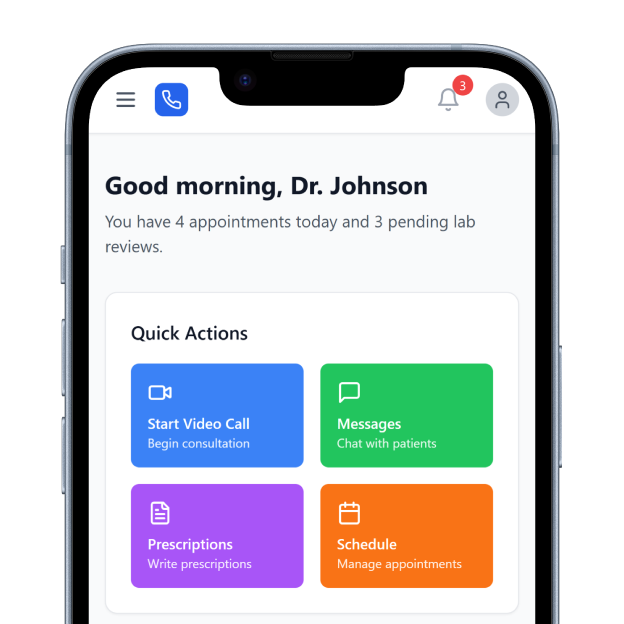
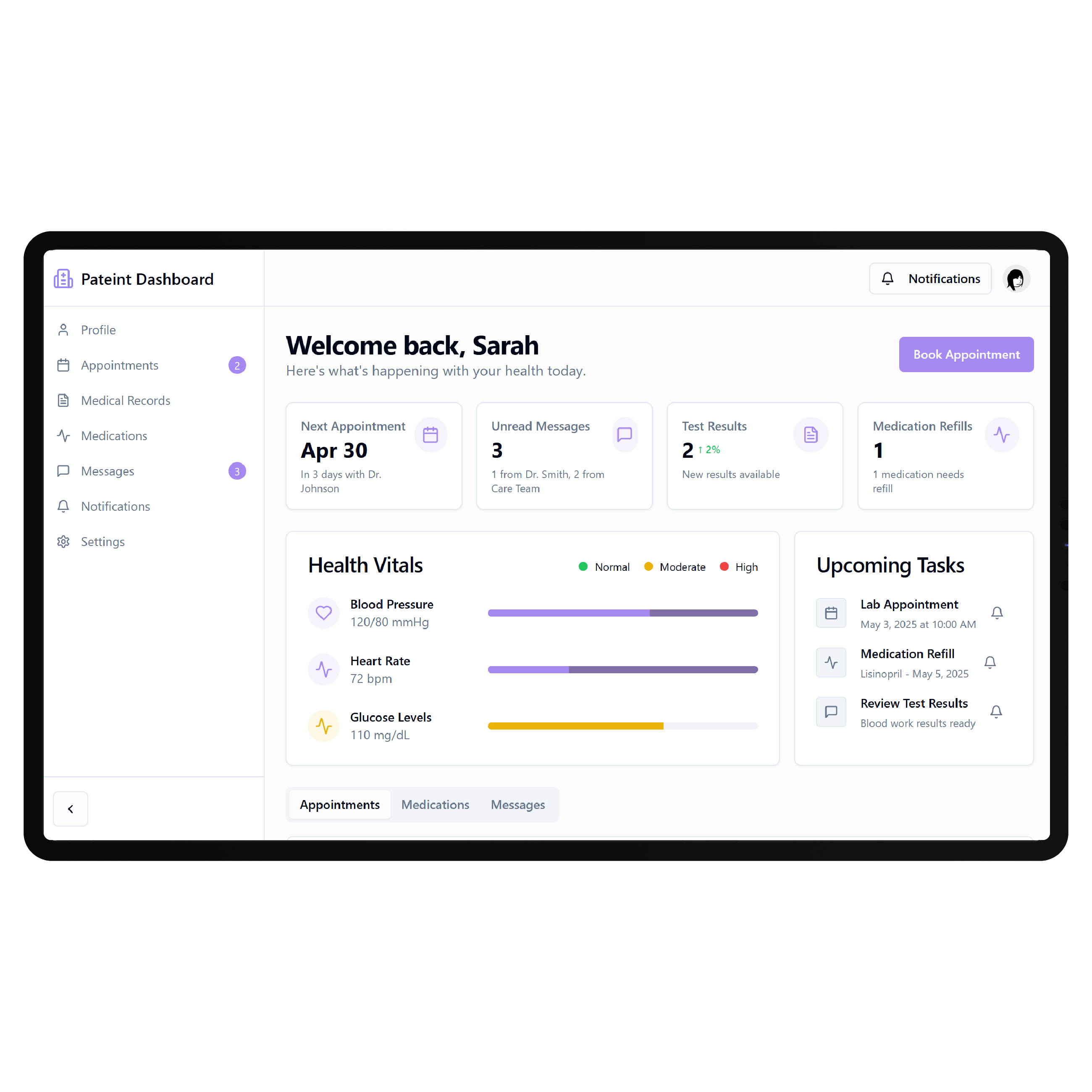
Electronic health records centralize patient histories, diagnoses, medications, and encounters into a unified digital record. This structured data enables providers to retrieve authoritative clinical snapshots across departments, supporting care continuity, referrals, and multi-disciplinary treatment plans. Standardized clinical attributes ensure consistency across care teams and operational queries.
Key Features of EHR Platforms
DrapCode provides essential tools to build secure and scalable EHR platforms tailored to healthcare teams.
Data Model
Unified patient record schema designed for structured clinical data and interoperable exchange workflows.
Access Control
Role-based permissions are applied consistently to clinical and administrative system users.
Workflow Sync
Synchronized clinical workflows that integrate scheduling, documentation, and record visibility.
API Connect
Interoperability with external systems using industry-standard APIs for data exchange.
Audit Trail
Complete data change tracking with timestamped logs for compliance review.
Custom Views
Configurable clinical views tailored for specific provider roles or specialty needs.

DrapCode is an easy-to-use no-code platform with a drag-and-drop interface, making it accessible for non-developers. The support team is highly responsive and dedicated to user success.
Joseph Young
President - Renew Hope And Healing



We partnered with DrapCode to develop our new Automated CRM using their low-code platform. Outstanding quality at half the price, unmatched speed, and excellent customer service.
Cal Goggans
Founder - A Custom Fit iNMotion

DrapCode stands out as the best. Flexible, scalable, and supported by an expert team. After 3 years on another tool, DrapCode is simply superior.
Cory Nation
President - Embark EMR
Platform Benefits for Healthcare

Faster Deployment
Deploy EHR applications quickly without deep engineering costs or long development overhead cycles.

Data Accuracy
Improve care quality by ensuring consistent clinical data is immediately accessible across provider teams.
Patient Engagement
Empower patients with secure access to records, appointments, messages, and educational content.
Scalable Design
Architecture grows with provider networks, clinics, facilities, and care delivery demands.
Real-World Use Cases
Clinics with Shared EHR
Use DrapCode to build a unified EHR platform like Altera Digital , where each department accesses and updates shared patient data securely.
Remote Health Documentation
Equip mobile nurses with cloud-based access through platforms such as Athenahealth EHR to update records in real time while on home visits.
Mental Health Practices
Build customized EHRs using solutions like CarePaths EHR to document session notes, treatment plans, and patient history in a secure format.
Workflow and Delivery
 Centralize clinical data across departments and specialties securely
- Configure structured record components using visual schema tools
- Integrate patient access layers with portals and care engagement tools
- WCoordinate care delivery with interoperable standards and systems
Layout Selection
Choose a healthcare app layout or start from scratch using DrapCode’s visual components.
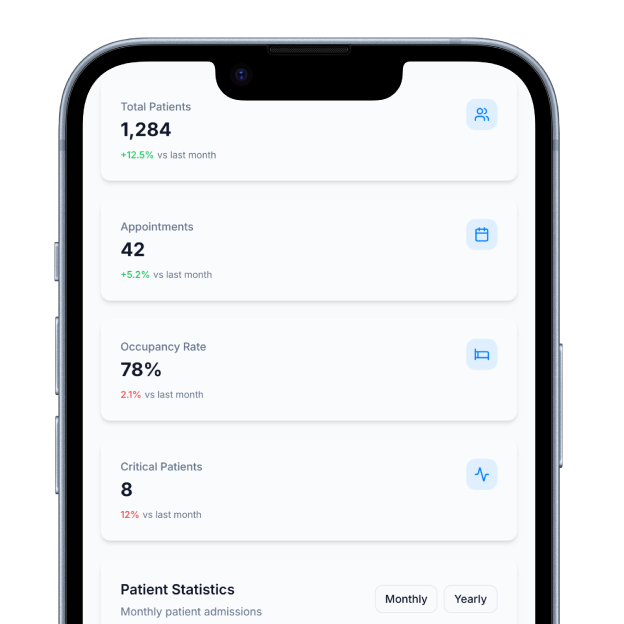
Module Setup
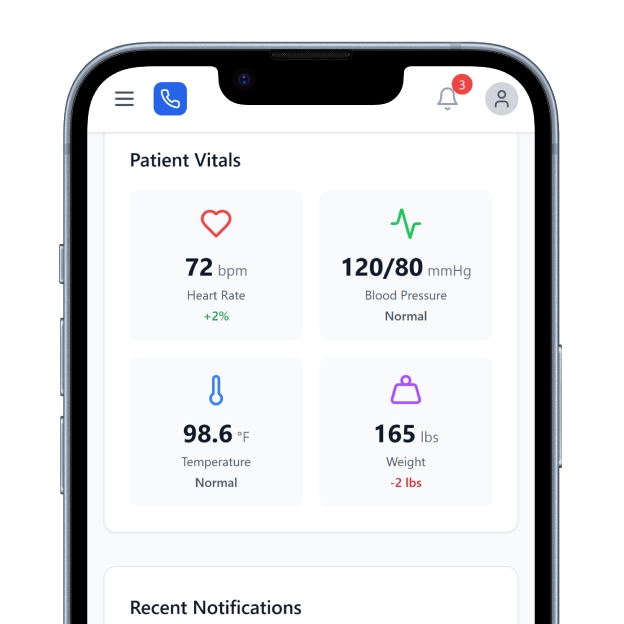
Add modules for patient records, access permissions, and SOAP documentation.
System Integration
Integrate with labs, telemedicine tools, or clinical support systems using DrapCode’s connectors.
Workflow Deployment
Test your workflows, assign user roles, and deploy across web or mobile devices.
Interoperable Clinical Workflows
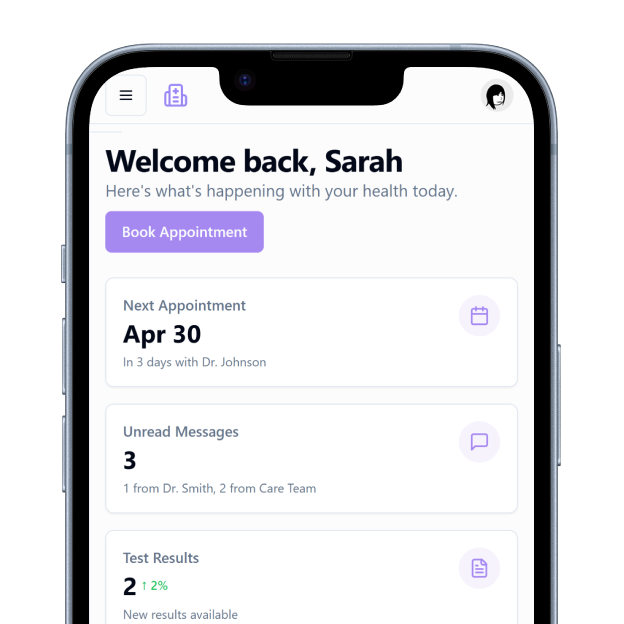
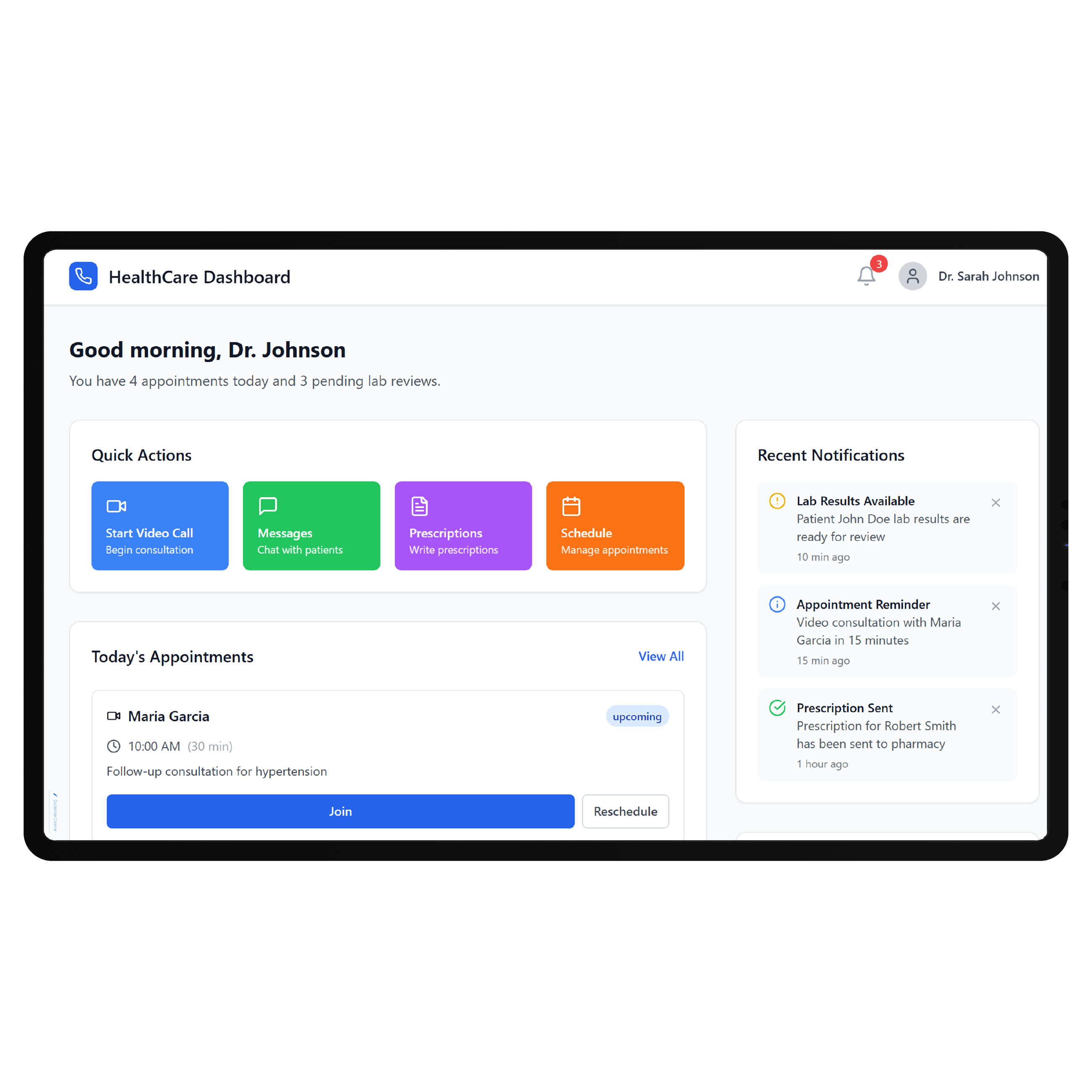
EHR platforms must integrate with clinical workflows, administrative operations, and care delivery functions. By supporting interoperability frameworks and service connections, providers can automate appointment updates, claims interfaces, and longitudinal data access without the need for redundant manual entry. This platform can also connect seamlessly with patient portal systems connected to EMR softwareenabling patients to engage with their digital health record securely from any device.
Secure Information Governance
Healthcare data security and role-based governance protect sensitive medical records, audit trails, and clinical access permissions. Controlled access layers prevent unauthorized access to data while maintaining legitimate clinical access, aligning with regulatory expectations and internal policy standards.
Integrated Ecosystem Connectivity
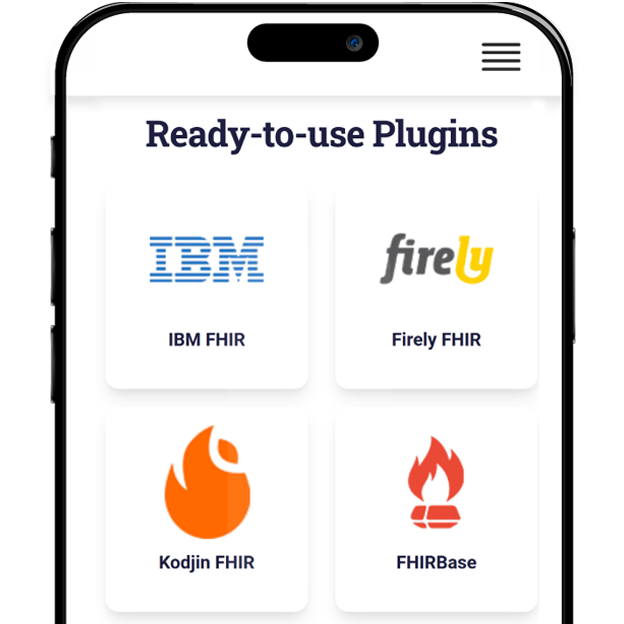
Electronic health record platforms must work in harmony with broader health systems, clinical analytics, and remote care tools. Support for standards-based frameworks ensures that longitudinal health records transfer seamlessly across applications, avoiding duplicate data entry and fragmentation. The EHR application can also collaborate with FHIR-based interoperability for electronic medical recordsenabling secure data exchange with external clinical systems and services.
Frequently Asked Questions
What is an electronic health record platform?
Can EHR platforms integrate with patient engagement tools?
How is data security enforced in EHR systems?
What makes EHR platforms scalable for healthcare networks?
Who benefits most from an EHR platform?
Get started with an electronic health record platform
Enable secure, interoperable, scalable clinical records that empower care teams, patients, and operational workflows without traditional development complexity.